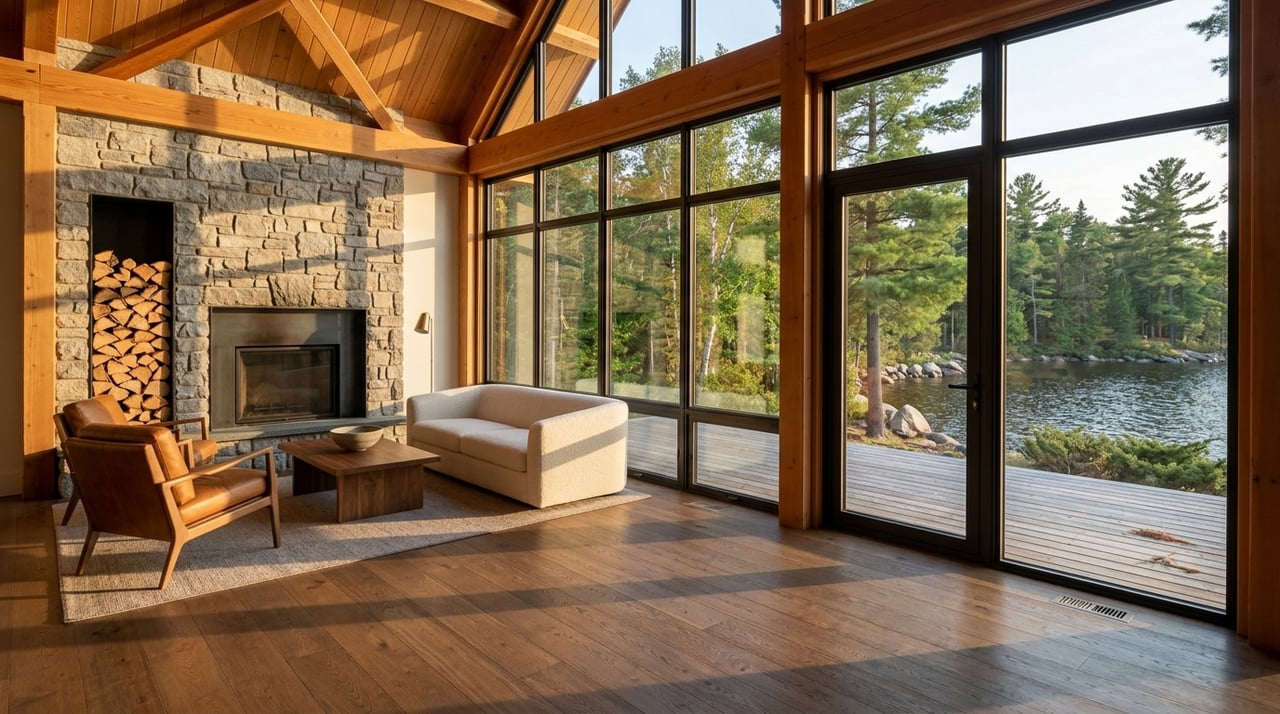
Wondering if Lac du Flambeau is the right place for your Northwoods lake retreat? If you are looking for a second home that feels more like an escape than an address, this market offers a distinct mix of quiet shoreline, recreation, and long-term legacy appeal. The key is knowing that not every lake, lot, or ownership setup here works the same way. Let’s dive in.
Why Lac du Flambeau Stands Out
Lac du Flambeau has a strong retreat identity within the Northwoods. Travel Wisconsin highlights the area’s roughly 250 lakes, abundant wildlife, fishing, and miles of snowmobile trails, all of which help explain why seasonal and recreational homes are such a major part of life in greater Vilas County.
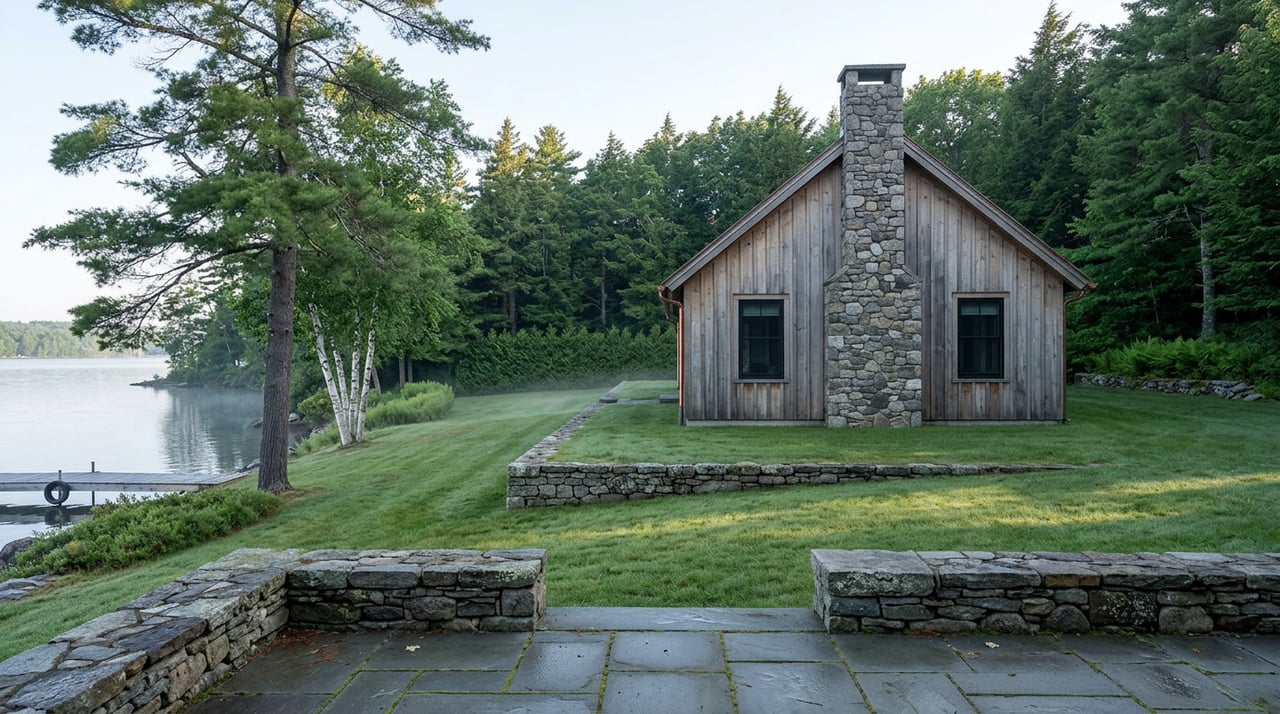
For many buyers, the appeal starts with the setting. This is a lake-first market where the water often takes center stage, and where ownership is often tied to second-home use, family traditions, and time spent across the seasons rather than full-time living.
Another important difference is that Lac du Flambeau is centered within the reservation. The Lac du Flambeau Band’s governing documents state that its territory and jurisdiction extend over land and water within the reservation, and the Tribe has publicly advised owners within the exterior reservation boundaries to review ownership documents and title policies for access issues.
That does not mean every purchase is complicated. It does mean you should pay close attention to road access, easements, and title history, especially when you are comparing lake properties that may look similar at first glance.
Lake Choices Shape the Experience
One of the biggest decisions in Lac du Flambeau is not just whether to buy on the water, but what kind of lake experience fits your goals. Some buyers want connected boating, active summer use, and easier access. Others want a quieter setting with more privacy and less traffic.
This area offers both, which is part of its appeal. Compared with nearby Northwoods destinations, Lac du Flambeau often feels more retreat-oriented and less centered on downtown activity.
Flambeau Lake
Flambeau Lake is listed by the Wisconsin DNR at 1,165.52 acres and managed for fishing and swimming. The DNR’s historical description notes clear water and a bottom mix of sand, gravel, rock, and muck, along with long-standing access from a town road and state highway and the presence of park and resort facilities.
For you as a buyer, that points to a shoreline with mixed character. You may find properties that feel more access-oriented and social, while still offering the classic Northwoods setting many second-home buyers want.
Crawling Stone Lake
Crawling Stone Lake is a 1,483.28-acre lake that the DNR also manages for fishing and swimming. Its historical description notes mostly sand bottom, navigable inlet and outlet connections, and a shoreline context that has long included resorts and cottages.
If you are drawn to a chain-lake feel or a property with a more established recreational pattern, this lake may deserve a close look. It offers useful contrast to more secluded cabin sites where privacy matters more than connection.
Fence Lake
Fence Lake is one of the area’s bigger water experiences at 3,482.68 acres, according to the DNR. It is described as clear and alkaline with very high transparency, a mainly sand bottom, and significant depth, with 75 percent of the lake deeper than 20 feet.
That combination often appeals to buyers who want a larger-scale boating environment and a more expansive lake feel. In practical terms, it can support a range of ownership styles, from luxury retreat properties to homes that prioritize chain access and time on the water.
White Sand Lake
White Sand Lake is known for its spring-fed clarity, sand bottom, and high visibility. Travel Wisconsin describes it as over 1,500 acres and highlights water activities such as swimming, canoeing, boating, fishing, and snorkeling.
If your ideal retreat centers on bright water, sandy frontage, and a classic swimming-lake feel, this type of lake environment may rise to the top of your list. For many buyers, frontage quality matters just as much as square footage inside the home.
Property Styles You May Encounter
Lac du Flambeau offers more variety than many buyers expect. The area’s lodging inventory gives a helpful real-world snapshot of the kinds of ownership styles reflected in the market.
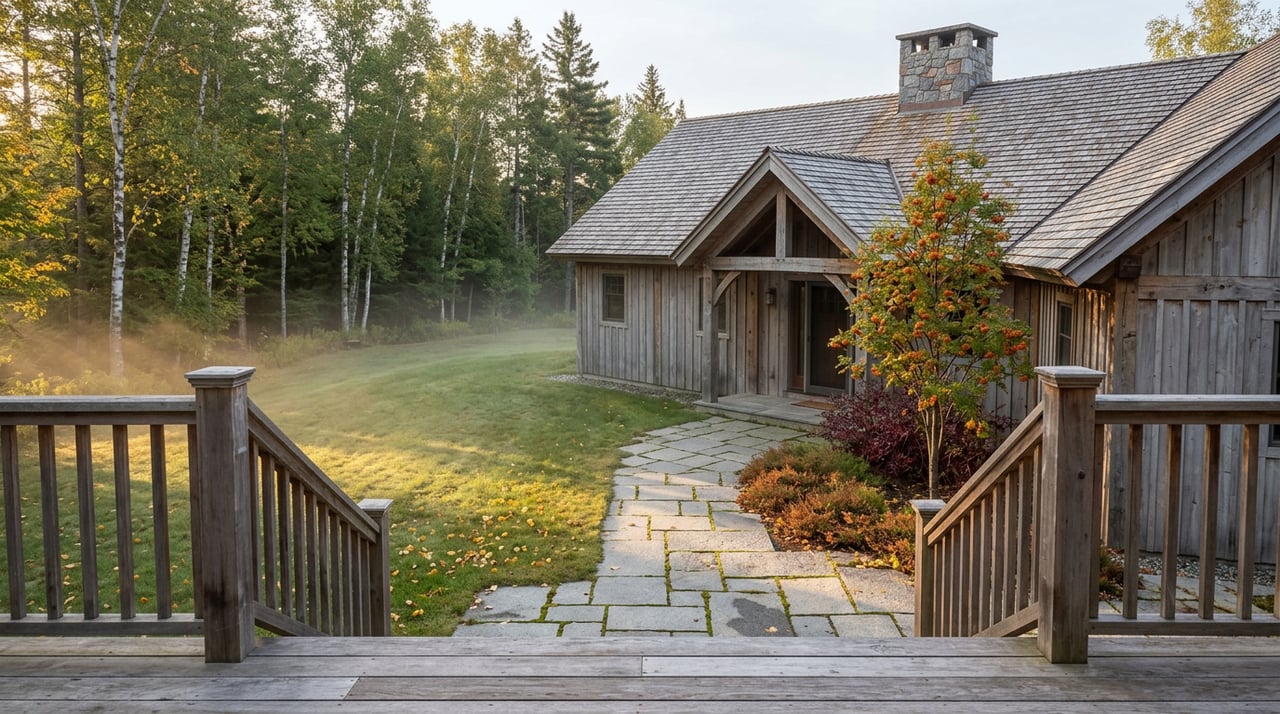
You may come across classic seasonal cabins, updated cottages, lodge-style homes, and more polished retreat properties with a stronger luxury finish. Some properties emphasize sandy frontage and shared amenities, while others focus on seclusion, acreage, and long private shoreline.
That range matters because the right fit depends on how you plan to use the property. A simple summer cabin can be perfect for low-key seasonal use, while a more substantial home may better support winter visits, remote work, guests, or multigenerational ownership.
Access and Title Need Extra Attention
In Lac du Flambeau, due diligence around access is especially important. The Tribe has publicly advised owners within the exterior boundaries of the reservation to review ownership documents and title policies for access issues, which makes this a practical buying consideration, not just a legal detail in the file.
Before you move forward, make sure you understand how the property is reached, whether there are recorded easements, and how title history supports access. A beautiful waterfront setting loses value quickly if access questions remain unresolved.
This is one of the reasons local guidance matters in a market like this. A lake retreat is not only about the home and shoreline. It is also about whether ownership will feel clear, manageable, and dependable over time.
Boating Rules Can Vary by Lake
Many buyers assume lake living comes with one standard set of boating expectations. In Lac du Flambeau, that can be a costly assumption.
The Wisconsin DNR notes that boating ordinances may be more restrictive than state law and advises checking signs at public boat landings for local rules. The Tribe’s boating code also includes designated no-wake and no-motor areas, and the town has historically restricted combustible motors on some lakes such as Wabasso.
Match the Property to Your Water Use
If you picture pontoon cruises, watersports, fishing, paddling, or quiet shoreline mornings, confirm that the lake supports the style of use you want. A home on the wrong lake for your preferred boat type or pace of recreation can feel like a mismatch very quickly.
For example, the U.S. Forest Service states that gas motors are not allowed at Wabasso Lake Recreation Area. That may be ideal for some buyers and a deal-breaker for others.
Think Beyond Summer Use
Some Lac du Flambeau properties are best suited for warm-weather enjoyment, while others are better equipped for four-season use. Travel Wisconsin’s lodging examples show both year-round cottages and warm-season-only properties in the area, which suggests the ownership landscape includes both low-maintenance summer retreats and homes designed for broader seasonal use.
If you plan to visit in fall, winter, or spring, the practical side of ownership becomes especially important. Heating systems, winterization, well care, and septic maintenance all deserve attention before you buy.
Well and Septic Basics Matter
According to the Wisconsin DNR, well owners are responsible for testing their wells, and new private wells must be reported and installed by licensed professionals under state requirements. UW-Extension also recommends regular septic inspection, often every other year, pumping about every three years, and draining exterior spigots before winter to help avoid freeze damage.
These details may not be as exciting as dock placement or sunset views, but they have a major effect on how easy the property will be to own from afar. For second-home buyers, convenience and reliability are part of the luxury.
Shoreland Rules Can Affect Future Plans
If you are buying an older cabin with dreams of a major addition or rebuild, pause and verify what is actually possible. Wisconsin DNR states that shoreland zoning applies within 1,000 feet of a lake and includes a 75-foot building setback from the ordinary high-water mark, along with buffer and impervious-surface standards that counties may expand on.
That means an older structure may be legal but nonconforming, or a lot may have limited room for future expansion. Before you assume you can enlarge a cabin, move a footprint, or redevelop the site, confirm the shoreland details.
A Smart Due Diligence Checklist
When you are buying a lake retreat in Lac du Flambeau, these are some of the most important points to confirm:
- Road access, easements, and title history, especially within the reservation boundary
- Whether the lake is chain-connected, navigable through inlet or outlet access, or more isolated
- Local boating, motor, and no-wake rules that affect how you will actually use the water
- Well, septic, heating, and winterization needs if you plan to use the property beyond summer
- Shoreland setback and compliance questions before counting on expansion or rebuilding options
In a market shaped by lake-by-lake differences, small details often have a big effect on long-term enjoyment. The best purchase is usually the one where the shoreline, rules, maintenance profile, and season of use all align with how you want to live.
If you are considering a lake retreat in Lac du Flambeau, working with an advisor who understands both the transaction and the realities of seasonal ownership can make the process feel far more clear. For thoughtful guidance rooted in Northwoods lake living, connect with Kelly Cooper.
FAQs
What makes buying in Lac du Flambeau different from other Northwoods lake markets?
- Lac du Flambeau stands out for its reservation-centered setting, strong second-home identity, and lake-by-lake differences in access, shoreline character, and boating rules.
What should buyers verify about access for a Lac du Flambeau lake property?
- You should confirm road access, recorded easements, and title history, especially for properties within the exterior boundaries of the reservation.
What kinds of lakefront properties are common in Lac du Flambeau?
- Buyers may find everything from classic seasonal cabins and cottages to larger lodge-style retreats, sandy frontage properties, and more secluded shoreline homes.
What should buyers know about boating rules on Lac du Flambeau area lakes?
- Rules can vary by lake, and some waters may have stricter local ordinances, no-wake zones, no-motor areas, or limits on combustible motors.
What should buyers check before using a Lac du Flambeau retreat year-round?
- You should review heating, winterization, well testing responsibilities, septic inspection schedules, and the overall maintenance demands of remote seasonal ownership.
What should buyers know about expanding an older lake cabin in Lac du Flambeau?
- Older cabins may be subject to shoreland zoning limits, including setbacks and other rules that can affect whether you can enlarge, rebuild, or change the structure.