If you are looking at waterfront property in Eagle River, one detail can change everything: not all “chain of lakes” homes offer the same ownership experience. A listing may share the same broad destination appeal, but daily life can feel very different depending on the lake, boating access, frontage, and dock setup. If you want to buy, sell, or simply understand value on the Eagle River Chain, it helps to know what really drives this market. Let’s dive in.
What the Eagle River Chain Market Really Means
When people talk about the Eagle River Chain of Lakes market, they may mean two related but different things. The lower Eagle River Chain consists of 10 lakes connected by the Eagle River, stretching about 14 miles with roughly 70 miles of shoreline. The broader Eagle River and Three Lakes connected system includes 28 lakes and is widely known for its large connected freshwater boating network.
For real estate, that distinction matters. The lower chain is the core residential waterfront market around Eagle River, while the 28-lake identity helps explain the area’s destination appeal and boating-driven demand. In other words, the market is shaped by both local lakefront ownership and the larger lifestyle story that draws buyers here.
Why Buyers Are Drawn to Eagle River
This is a lifestyle-first market. Buyers are often looking for a place where boating, fishing, gathering, and seasonal traditions all come together in one property. That makes the chain especially appealing to second-home buyers and families thinking long term.
Boating is central to that appeal. No-wake zones are posted throughout the chain’s channels and along part of the Eagle River, and the Burnt Rollways Boat Hoist connects the Eagle River and Three Lakes portions of the larger system during the season. That connected-water experience is a major reason the market stands apart from many other Northwoods lake areas.
The local recreation scene adds another layer of demand. Boat tours, guide services, pontoon access, boat club access, and other on-water activities all reinforce the chain’s identity as both a residential market and a tourism-oriented waterfront destination. For many buyers, that means you are not just purchasing a home. You are buying into a way of using time in the Northwoods.
Lake-by-Lake Differences Matter
One of the biggest mistakes buyers make is assuming every chain-front property will feel the same. In reality, the lower chain includes lakes with major differences in size, depth, and public access. Those factors can influence privacy, boating activity, docking ease, and how a property feels from day to day.
Catfish Lake is the largest lake on the lower chain at 1,012 acres, and Cranberry is also one of the largest. Both have public landings, which generally means they may experience more transient boating traffic than smaller lakes. Eagle Lake, at 575 acres, also has a public landing and is part of the larger 3,565-acre Eagle River Chain fishery system.
Smaller lakes can offer a very different setting. Watersmeet is 107 acres and relatively shallow, while Lynx is just 31 acres. Some lower-chain lakes, including Duck, Otter, and Scattering Rice, do not show public landings in ERCLA’s lake table, which can contribute to a more sheltered ownership feel.
How Public Access Shapes Experience
Public access is not automatically a positive or a negative. It simply changes the ownership experience. A home on a larger lake with a public landing may appeal to buyers who want active boating, easier guest access, and a more connected feel within the chain.
By contrast, a home on a smaller or less accessible lake may attract buyers seeking a quieter retreat. That can affect how a property is perceived in the market and which buyer pool is most likely to respond. In Eagle River, understanding that match between property and buyer is a big part of pricing and positioning well.
Docking and Pier Rules Affect Usable Value
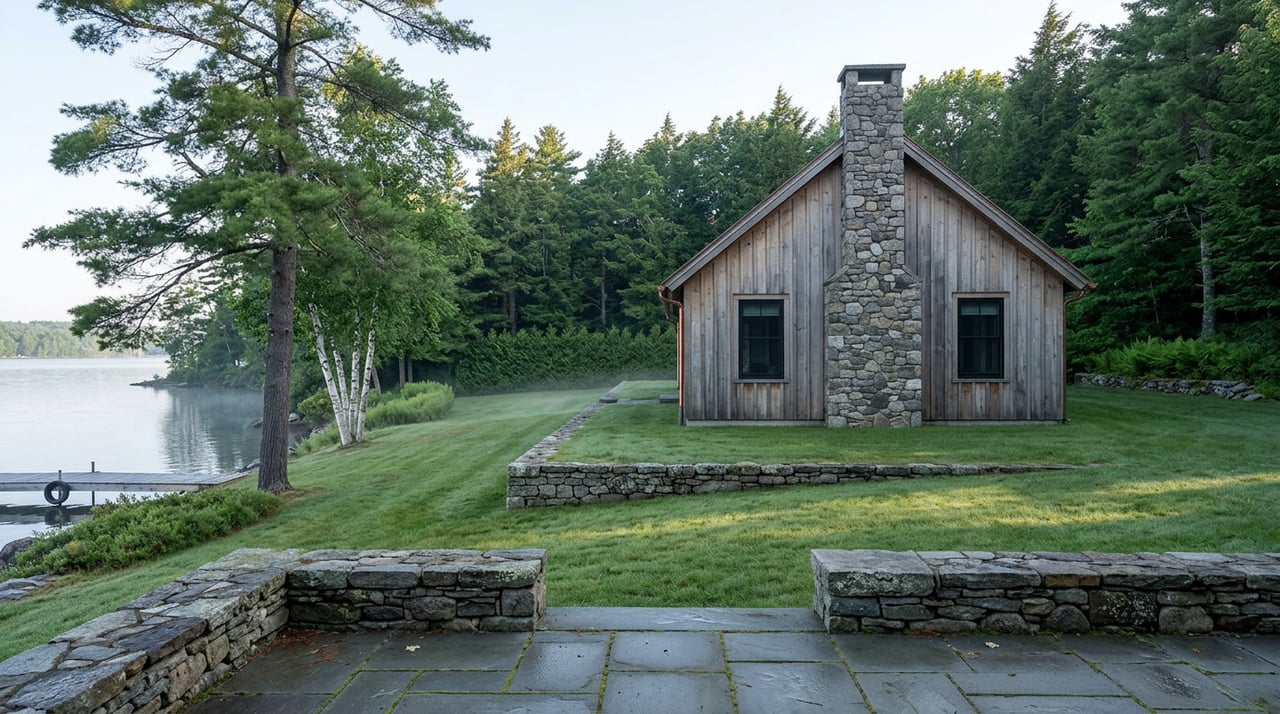
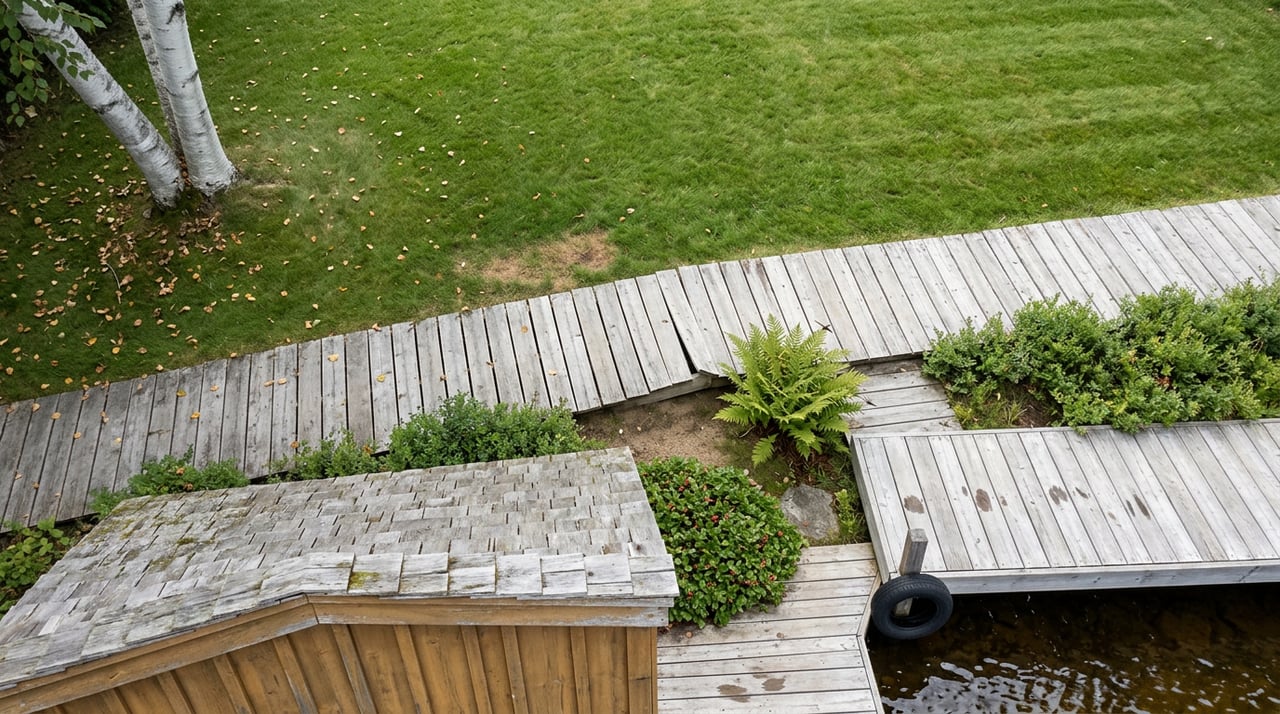
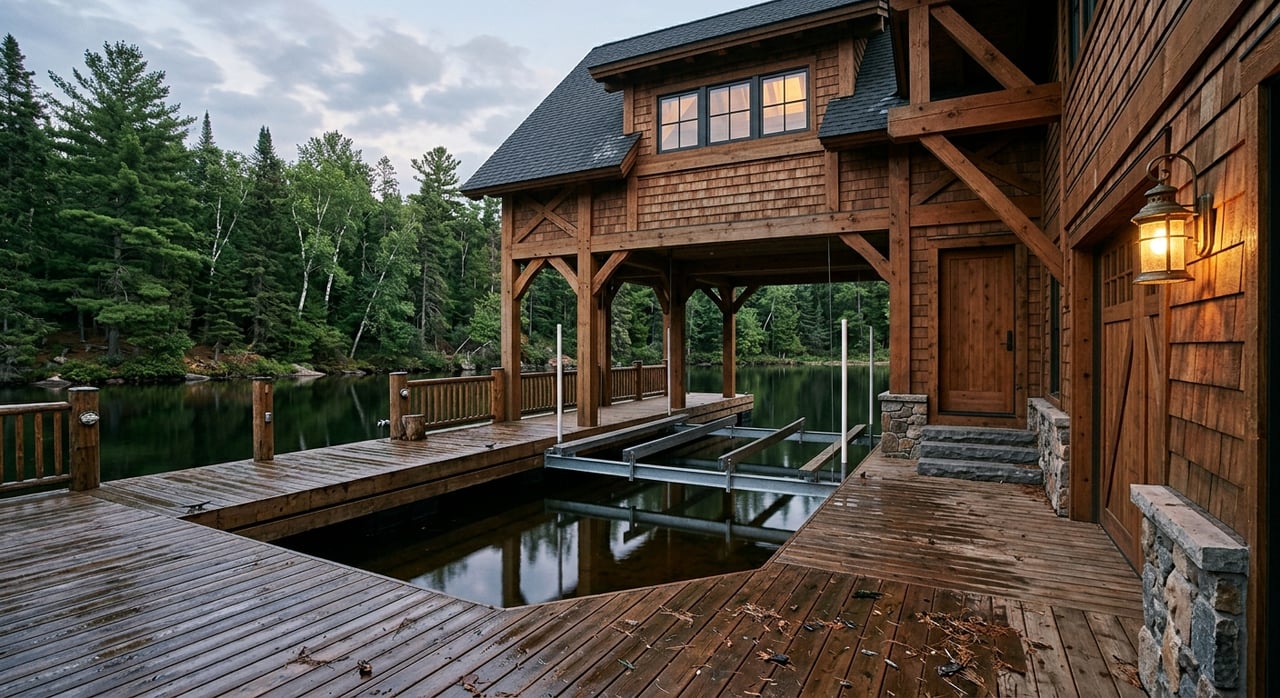
On the Eagle River Chain, value is not just about views or frontage length. It is also about how well you can use the shoreline. Pier feasibility, slip count, and docking layout can have a meaningful effect on what a property offers in practical terms.
The Wisconsin DNR states that only a riparian owner may place a pier or wharf. The waterway is public, but the pier itself and related structures are private property. The DNR also notes that piers should not obstruct navigation, and new piers may qualify for an exemption or may require a permit depending on the situation.
For buyers, this means shoreline due diligence matters. A beautiful lot is only part of the picture if your boating plans depend on certain dock arrangements or water depth. For sellers, clear information about current pier setup and shoreline usability can help buyers understand the property’s real utility.
How Buyers Tend to Use These Homes
The Eagle River Chain is best understood as a second-home and seasonal-use market first. According to Wisconsin REALTORS Association materials for Oneida and Vilas counties, the two counties have more secondary homes than primary homes. That helps explain why so many buyers focus on personal enjoyment, family time, and long-range ownership.
Short-term rental use is part of the picture, but it is usually secondary to personal use. The same WRA materials say short-term rentals make up 2.8 percent of total housing inventory in the two counties, and more than two-thirds of short-term rental owners rent their own vacation homes to offset property costs. That points to a market where a home may serve as both a private retreat and a part-time rental asset.
Wisconsin’s right to rent law also protects the ability to rent out property on a short-term basis for seven consecutive days or longer, while still allowing reasonable local regulation. For buyers weighing personal use against income potential, that creates flexibility, but it does not change the fact that this is still primarily a lifestyle-driven second-home market.
Fishing and Boating Support Demand
The chain’s recreational reputation is one reason demand stays strong. The Wisconsin DNR’s 2026 fishing report says the Eagle River Chain supports above-average musky abundance, with many fish in the 30- to 40-inch range. Multiple boat landings throughout the system also support easy access for anglers and boaters.
Eagle Lake adds to that story. The DNR’s 2025 Eagle Lake sheet reports an estimated 7.2 adult walleye per acre, and its musky capture rate ranked above the 95th percentile for its lake class. For many buyers, that means waterfront living here is not just scenic. It is closely tied to how they actually use the property through the season.
What Influences Value on the Chain
At the county level, Vilas County remains a relatively tight and high-value market. In the Wisconsin REALTORS Association April 2026 report, Vilas County showed a year-to-date median price of $469,000, 4.0 months of inventory, and 99 average days on market. Those numbers are broad county context, but they help frame the environment in which Eagle River waterfront properties compete.
On the chain itself, value tends to be highly property-specific. Frontage usability, pier feasibility, lake size, depth, public-landing pressure, boating traffic, and perceived water conditions can all shape demand. Because waterfront sales are often limited and unique, comparable pricing can require a much more nuanced read than in a typical neighborhood market.
That is one reason lake-by-lake analysis matters so much. A property on a larger, busier lake may appeal to a different buyer than a property on a smaller, shallower, less accessible part of the chain. Neither is automatically better. They simply serve different ownership goals.
Aquatic Management Is Part of Ownership Reality
In a market like this, stewardship affects both enjoyment and expectations. The lower chain has been managed for Eurasian watermilfoil since 2004. According to the 2024 ULERCLC report, about 5,670 pounds of Eurasian watermilfoil were removed in 2024, and late-season mapping found just under 100 acres of colonized growth, with the heaviest concentrations in Catfish and Cranberry Lakes.
The same report notes that the chain has seen a major long-term reduction from earlier years, but regrowth remains possible under favorable conditions. For buyers and sellers, the takeaway is simple: these lakes are actively managed, but they are not maintenance-free. Ongoing lake stewardship is part of owning and evaluating waterfront here.
What This Means for Buyers and Sellers
If you are buying on the Eagle River Chain, it helps to look beyond the listing headline. Ask how the specific lake lives day to day, how the frontage functions, what docking is feasible, and whether the property fits your boating, fishing, and seasonal-use goals. The right fit often comes down to details that are easy to miss until you compare one lake setting to another.
If you are selling, buyers in this market usually respond best to clarity. They want to understand not only the beauty of the property, but also how it works in real life. Details about access, shoreline use, boating patterns, and seasonal ownership can help position a property with the right level of confidence.
In a market built around legacy ownership and second-home living, local nuance matters. The Eagle River Chain is not a single product. It is a collection of very different waterfront experiences connected by one of the Northwoods’ most recognizable boating lifestyles.
If you are considering a purchase or sale on the Eagle River Chain, working with someone who understands both lake-specific value and the realities of seasonal ownership can make the process much clearer. Learn more or start the conversation with Kelly Cooper.
FAQs
What is the difference between the Eagle River Chain and the Eagle River-Three Lakes system?
- The lower Eagle River Chain is a 10-lake connected system around Eagle River, while the broader Eagle River-Three Lakes system includes 28 connected lakes and helps define the area’s larger boating identity.
Which Eagle River Chain lakes feel more private?
- Based on lake size and public-access patterns, smaller lakes and lakes without public landings may feel more private, while larger lakes with public landings often feel more active.
Can you put a pier on an Eagle River Chain property?
- In Wisconsin, only a riparian owner may place a pier or wharf, and pier placement is subject to DNR rules on navigation, exemptions, and possible permit requirements.
Is the Eagle River Chain a short-term rental market?
- It includes short-term rental activity, but county data suggests it is primarily a second-home market where many owners rent their vacation homes on a limited basis to help offset costs.
What affects value most on the Eagle River Chain?
- The main factors often include frontage usability, docking feasibility, lake size and depth, public-access pressure, boating traffic, and lake-specific ownership experience.
Is boating a major part of Eagle River Chain ownership?
- Yes. The chain’s connected-lake layout, no-wake channel system, public access points, and seasonal boat-hoist connection to Three Lakes all make boating central to how many owners use these properties.